Company — Technology
Agriculture, run as an engineering discipline.
Every Efarms project is built on the same stack: a controlled climate envelope, a closed hydroponic root zone, sensing and telemetry, and automation — followed by processing that turns biomass into pharmaceutical- and cosmetics-grade inputs.
- Growing envelope
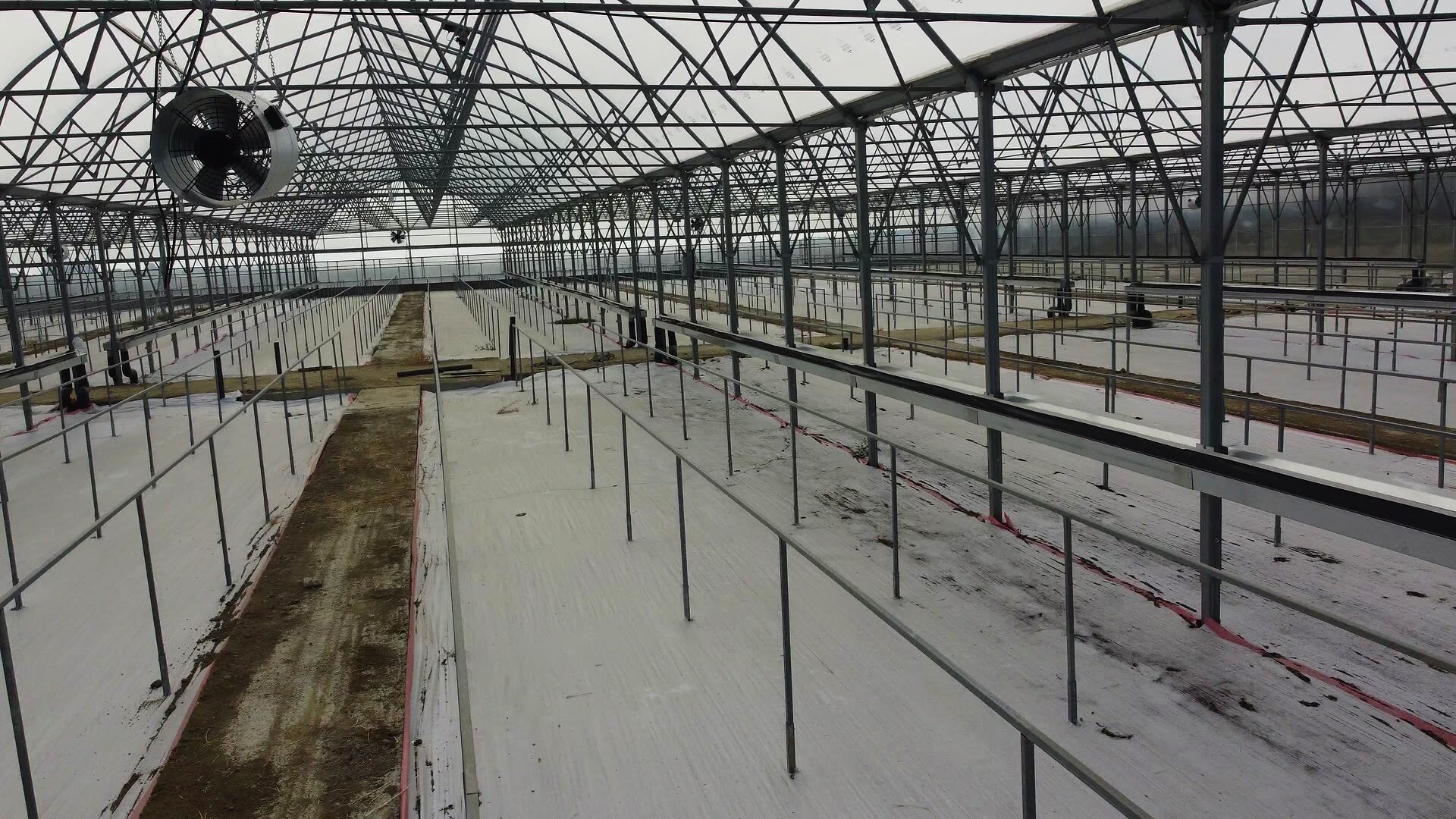
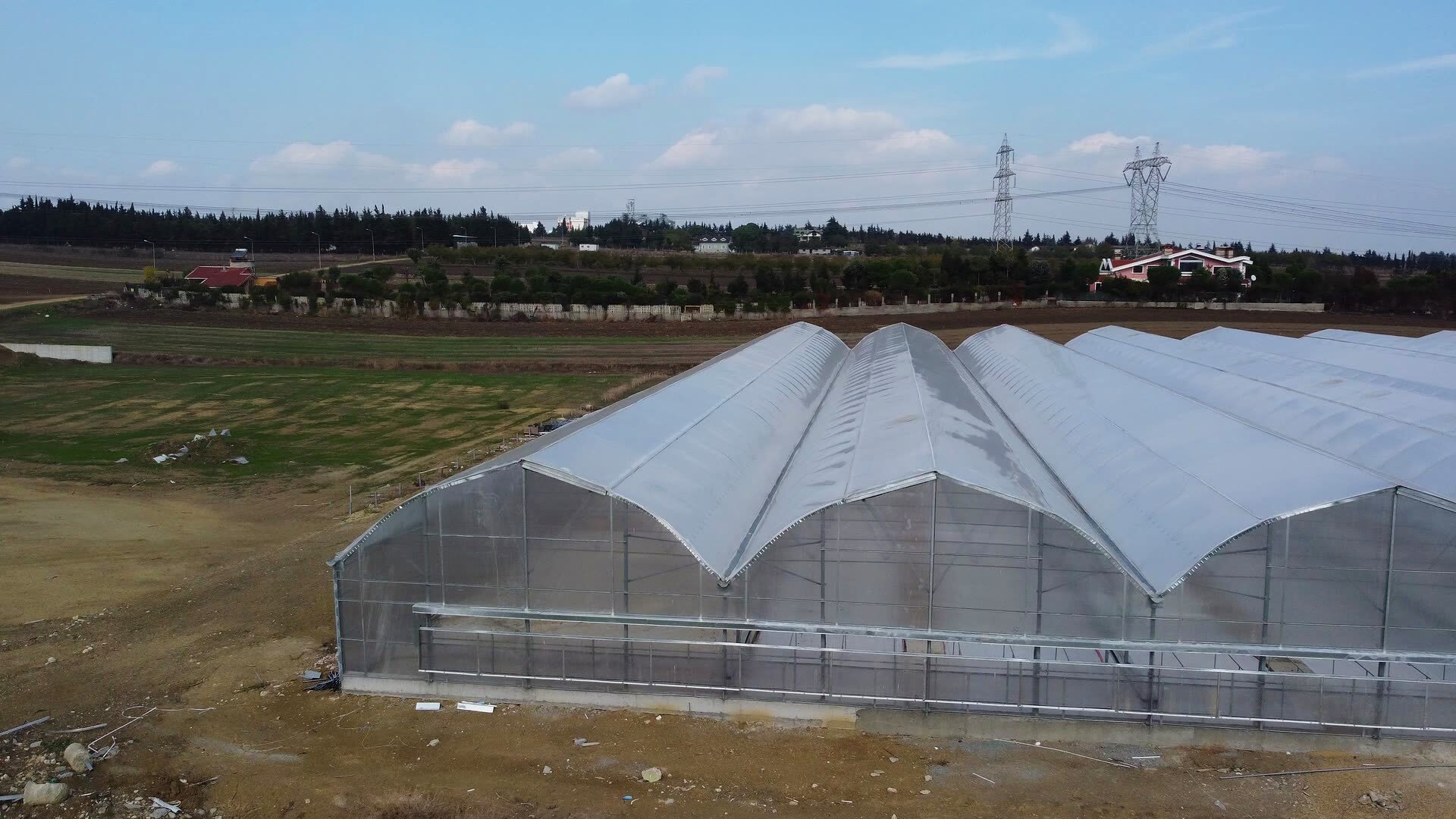
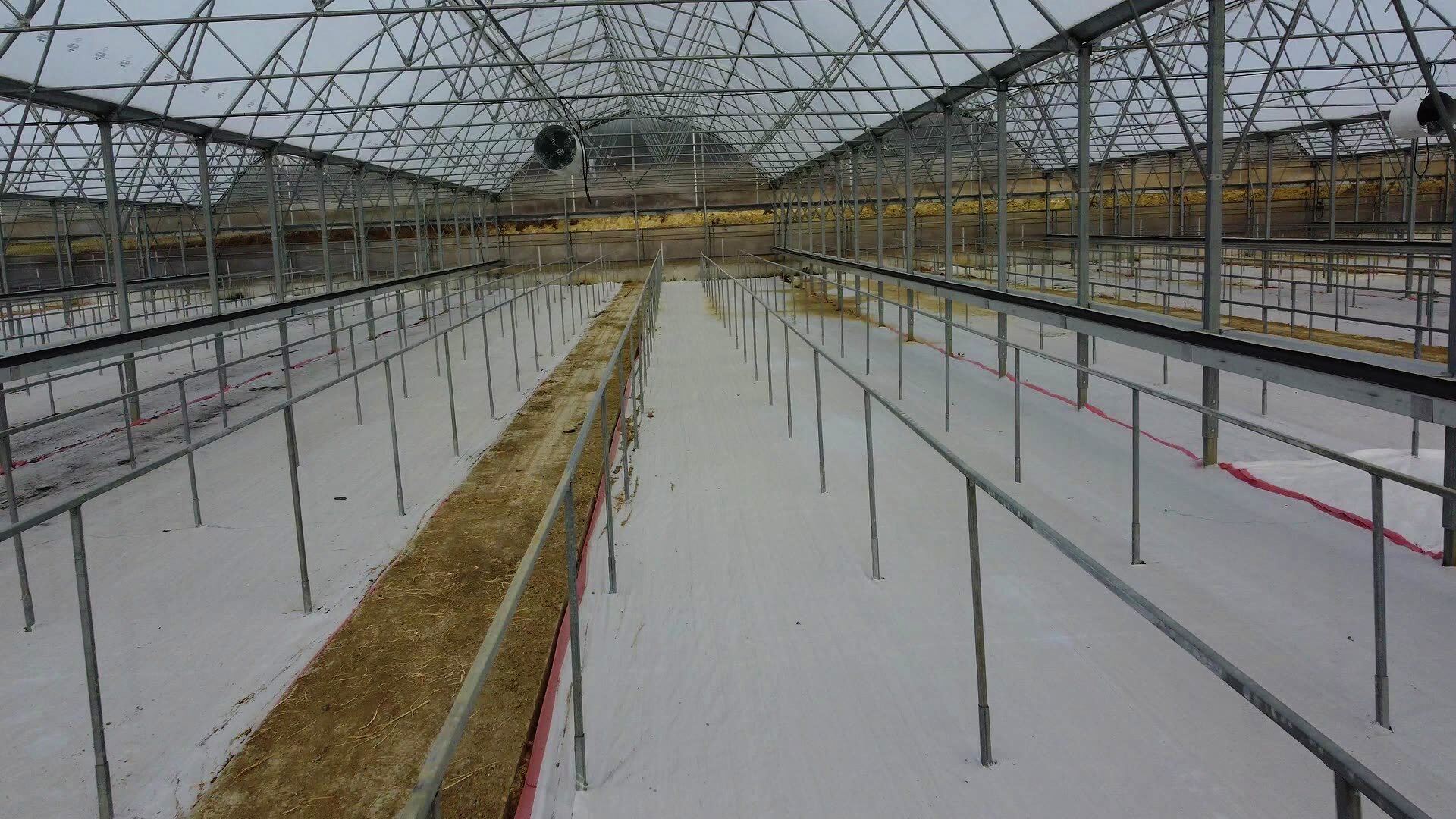
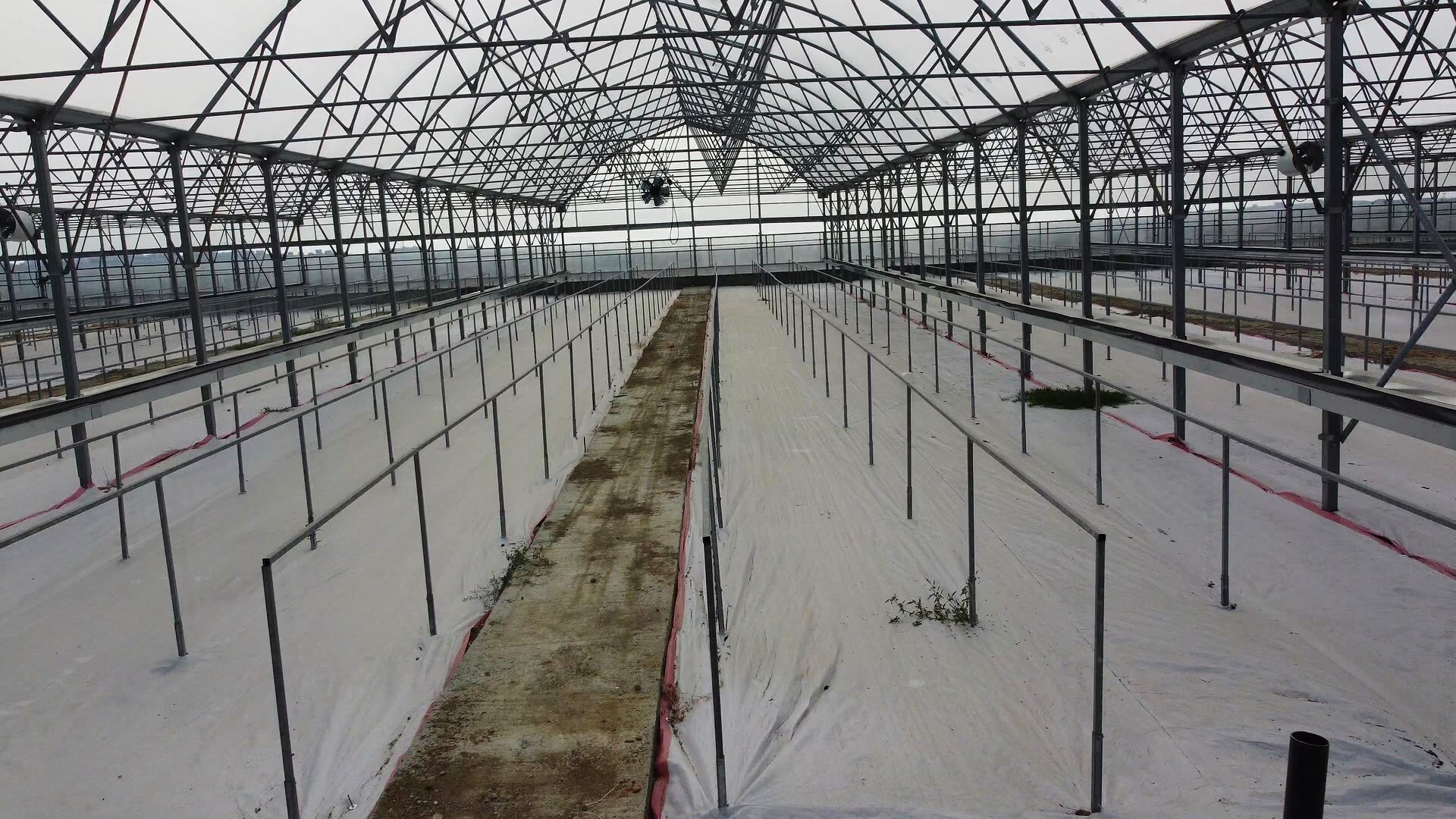
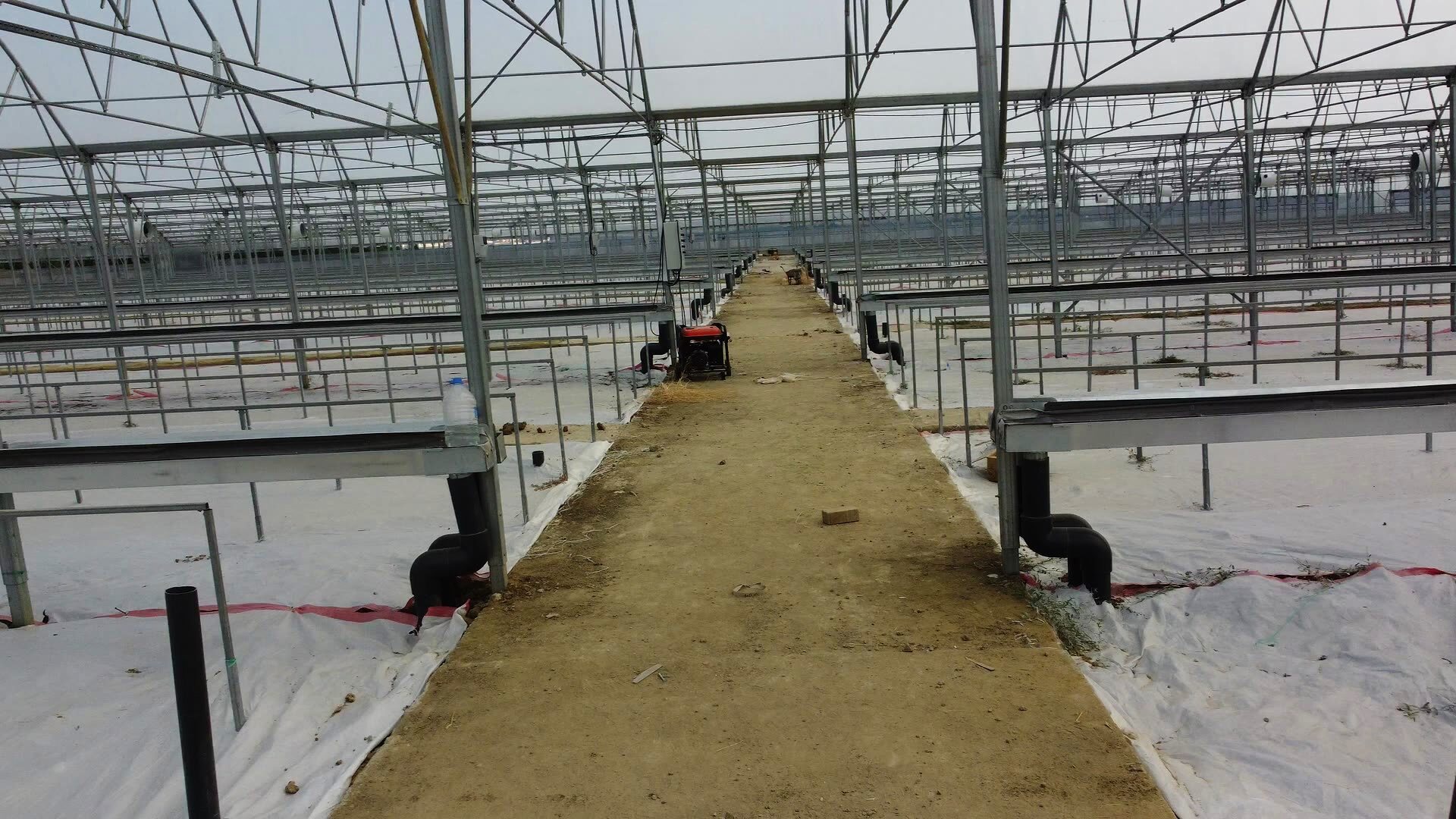
- Modern gothic-type greenhouse with an IR/UV polyethylene roof cover, polycarbonate sides and a galvanised steel frame.
- Automation
- Irrigation, fertigation and climate are fully automated, with sensor telemetry, remote monitoring and an on-site meteorological station.
- Remote control
- Twelve parameters can be monitored and adjusted remotely, from water pH and electrical conductivity to dissolved oxygen, CO₂, lighting and ventilation.
- Extraction
- A 500 L supercritical CO₂ system (2 × 250 L) processing 150 kg of biomass per batch, two batches a day, about 90,000 kg a year — with no toxic solvents. A separate Efarms project, planned as the phase after the greenhouse.
- Circularity
- CO₂-integrated pre-treatment yields premium hydrosols, and the 5% process loss is dried into teas, spices and cosmetic inputs — neither needs additional capital. Both lines sit on the extraction project, which is funded separately from the greenhouse.
- AI
- Climate optimisation and monitoring are AI-assisted, and the same telemetry feeds AI-powered dashboards and reporting for owners and investors.
The CEA stack
Four layers of engineered control.
-
Layer I
Climate envelope
A climate-controlled greenhouse isolates the crop from external weather, holding temperature and humidity inside engineered tolerances all year.
-
Layer II
Hydroponic root zone
Nutrients reach the root zone in a closed, recirculating loop, so water and fertiliser are dosed rather than spread.
-
Layer III
Sensing & telemetry
Temperature, humidity and pH sensors stream production data continuously, and an on-site meteorological station feeds the climate model.
-
Layer IV
Automation
Irrigation, fertigation and climate control run automatically from that data, with remote management across the whole site.
Automation & monitoring
The farm runs on data, not on habit.
Full automation of irrigation, fertigation and climate is standard on every Efarms project — not an upgrade. Sensors and remote monitoring make the state of the crop visible from anywhere, and an on-site meteorological station lets the system anticipate weather instead of reacting to it.
Automated irrigation & fertigation
Water and nutrient dosing follow the crop program automatically, cycle after cycle.
Climate control
Heating, cooling and ventilation are driven by sensor data across the whole growing area.
Remote monitoring
Production and environmental data are available remotely, so agronomy decisions do not wait for a site visit.
On-site meteorological station
Weather measured at the farm feeds the control system directly — far more useful than a regional forecast.
AI-assisted precision
The data decides the setting. The team still signs it off.
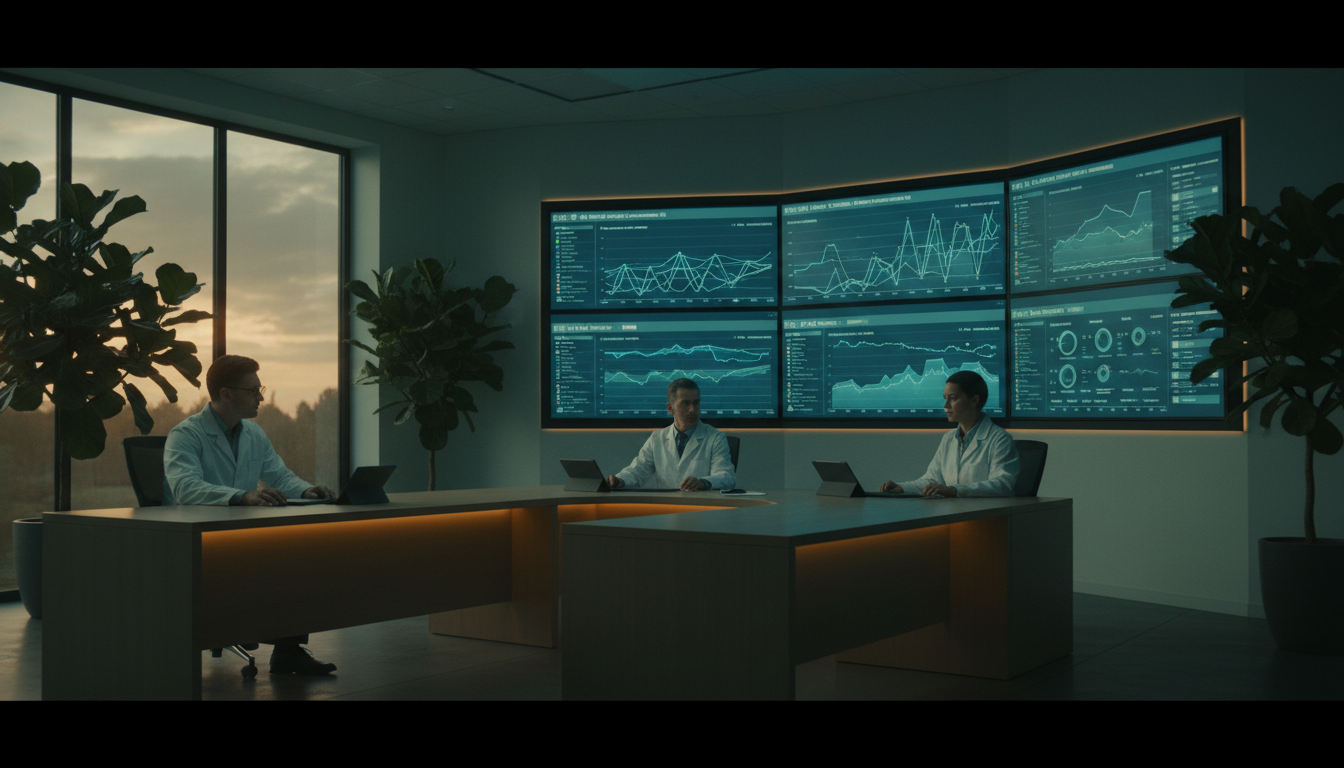
Automation and telemetry produce a continuous record of what the crop and the building are doing. Efarms puts the latest AI technology on top of that record: climate and irrigation set-points are optimised with AI assistance against the crop program, deviations are surfaced as they appear rather than at the next site visit, and the same data stream feeds AI-powered dashboards and reporting for the people who own the project.
Efarms uses AI to optimise, monitor and report. Agronomic decisions stay with the agronomy team, and we make no claim of autonomous crop diagnosis.
Full automation as the base layer
Irrigation, fertigation, heating, cooling and ventilation already run automatically on every project. AI is added to a system that works without it.
Sensor telemetry
Temperature, humidity, pH, EC, CO₂ and the on-site meteorological station stream continuously, so the model is fed by the farm itself rather than by a regional forecast.
AI-assisted climate optimisation
Set-points are tuned and anomalies flagged with AI assistance, cycle after cycle, against the crop program and the measured response of the crop.
AI-powered investor tools
Production and distribution data are turned into investor dashboards and scheduled reporting — the My Farm view an allocation holder logs into.
Greenhouse engineering
Built to an industrial specification.
The Efarms greenhouse standard is designed for year-round production under Marmara conditions, with the light transmission, insulation and structural strength a multi-decade asset needs.
- Structure
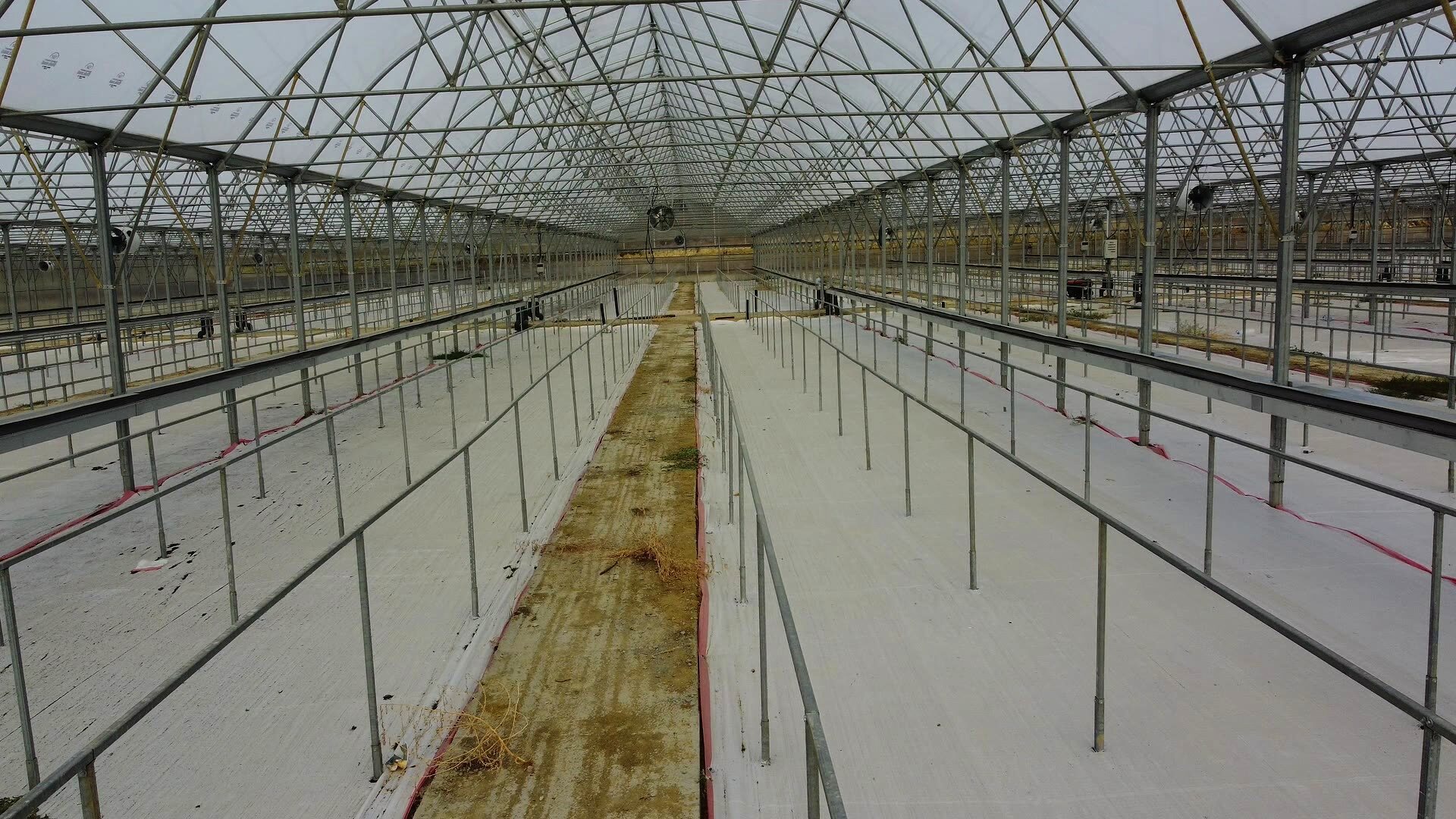
- Modern gothic-type greenhouse on a galvanized steel frame
- Roof covering
- IR/UV-treated polyethylene
- Side cladding
- Polycarbonate panels
- Climate systems
- Central heating and cooling, integrated with automated ventilation
- Growing method
- Hydroponic cultivation in a closed recirculating loop
- Control
- Sensor network, remote management and an on-site meteorological station
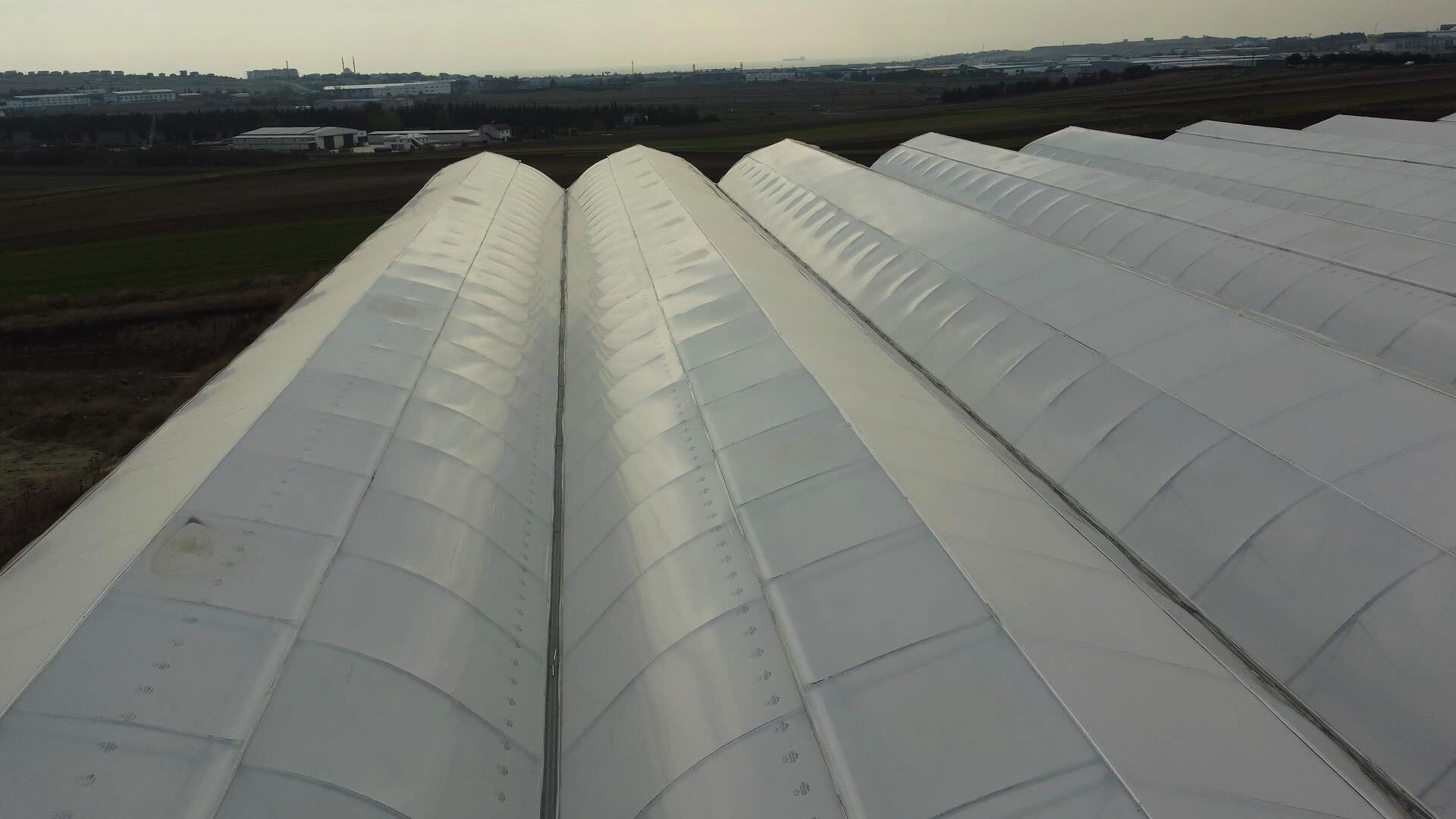
The IR/UV-treated polyethylene roof cover along the ridge of the Tibbi Silivri complex.
Extraction technology
Supercritical CO₂, at production scale.
A 500-litre supercritical CO₂ system — two 250-litre vessels — extracts essential oils and standardized extracts at low temperature and without chemical solvents, so the compounds reach the buyer as the plant produced them. Biomass reaches the extraction hall within hours of cutting, which is the single largest quality variable in this process. The extraction facility is a separate Efarms project with its own budget: it buys biomass on commercial terms, from the Silivri greenhouse and from other growers.
Circular economy
Nothing leaves the site as waste.
Two by-product lines were engineered into the extraction project from the start, both without capital expenditure beyond it. Like the extraction facility itself, they are separate Efarms projects, funded separately from the greenhouse.
CO₂-integrated hydrosols
Pre-treatment on the extraction line produces premium hydrosols for cosmetics, aromatherapy and natural cleaning — a line the feasibility study models at a 63% net margin.
Waste to value
The 5% of biomass lost in processing is dried at low temperature into teas, spices and food and cosmetic ingredients instead of being discarded.
Closed-loop water & nutrients
Recirculating hydroponics returns irrigation water and nutrients to the root zone, with no agricultural runoff leaving the site.
The 63% net margin is a projection from the project feasibility study, not a realised result.
R&D
We experiment on our own site first.
New cultivars, nutrient recipes, cycle timings and extraction parameters are trialled in the Efarms facility before they are recommended to a partner project. Research collaborations with universities and institutes are welcome through the R&D desk.
Certification
İyi Tarım — Good Agricultural Practices.
Efarms grows to İyi Tarım, the Turkish Good Agricultural Practices standard, which governs input control, traceability and food-safety discipline across the whole crop cycle. Further certifications are added as each product line enters production.
Agriculture, run as an engineering discipline.
Inside the house: built and equipped, ahead of first planting.