Energy per batch
Facility telemetry records the energy drawn against each production batch, so consumption is attributed to the goods rather than apportioned across a site total.
ESG & Compliance — CBAM Strategic Advantage
The Carbon Border Adjustment Mechanism entered its definitive phase in 2026. Efarms eliminates upstream Scope 3 emissions and delivers verified production data — shielding European buyers from embedded-emissions liabilities.
The CBAM obligation sits with the importer. Efarms supplies the production data a declaration requires.
The Timeline
Reporting only. Importers begin declaring embedded emissions of covered goods.
Financial liability begins. Certificates must be purchased against embedded emissions — data gaps become cost.
Coverage widens across sectors. Verified low-carbon supply chains become a purchasing criterion.
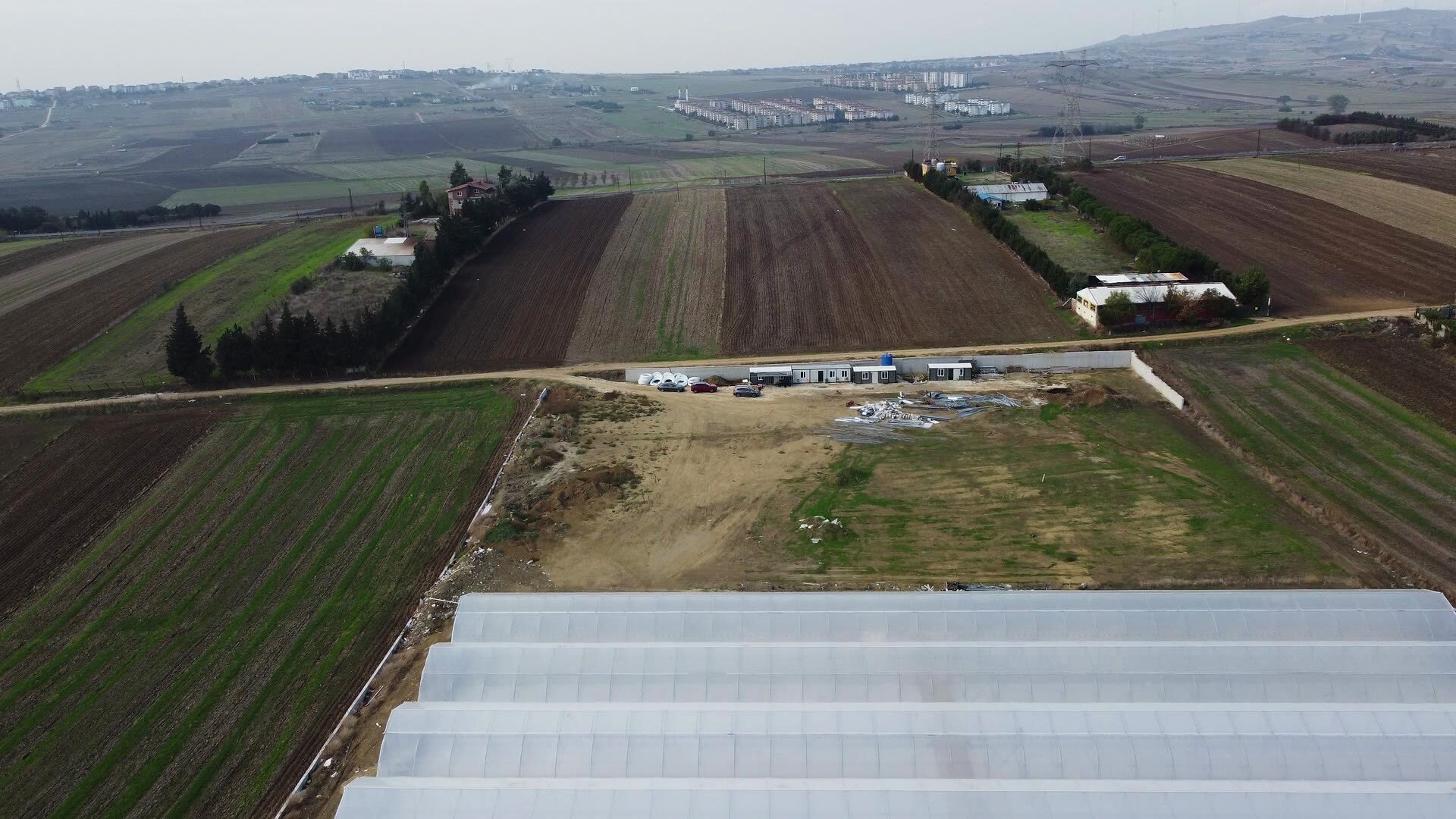
The Silivri site sits near the TEM highway and the Muratbey and Çerkezköy customs posts.
What EU buyers get
Every shipment carries the production data a CBAM declaration needs — measured at source, not estimated after the fact.
Controlled production with renewable integration removes the emissions chain buyers would otherwise inherit.
Facility telemetry produces per-batch energy and emissions records, ready for declaration.
Low embedded emissions mean minimal CBAM certificate cost — a structural price advantage over high-carbon origins.
Declaration data
A CBAM declaration is only as good as the data behind it. Because an Efarms facility is instrumented for production control in any case, the figures an importer has to declare are a by-product of running the farm — not a reporting exercise bolted on at the end of the year.
Facility telemetry records the energy drawn against each production batch, so consumption is attributed to the goods rather than apportioned across a site total.
Controlled production with renewable integration removes the upstream emissions chain that a buyer would otherwise inherit from an open-field or long-haul origin.
Every shipment carries the same production record in the same format, from every node — because the standard belongs to the blueprint, not to the individual site.
A free consultation with the Efarms investor desk — your questions, our numbers, and no obligation of any kind.
Talk on WhatsAppor
We use your address to reply and to send occasional project updates — nothing else. Privacy notice