ESG & Compliance — EU Taxonomy Alignment

Built to the EU's definition of sustainable.

Efarms evaluates its operations against the EU Taxonomy's six environmental objectives and the Do No Significant Harm criteria — so European ESG funds can classify the asset with confidence.

Taxonomy position at a glance
Objectives assessed
All six EU Taxonomy environmental objectives
Substantial contribution
Climate change mitigation, water and marine resources, and circular economy
DNSH verified
Climate change adaptation, pollution prevention, and biodiversity and ecosystems
Water
Closed-loop recirculation returns 95% of process water, with zero discharge to ground or watercourse
Documentation
Technical screening dossier and minimum-safeguards assessment, available to qualified funds

Efarms publishes its own assessment against the Taxonomy criteria. Classification of the asset remains the fund's own decision.

The Six Environmental Objectives

1Substantial contribution

Climate change mitigation

Local production for EU demand removes long-haul supply emissions; renewable integration underway.

2DNSH verified

Climate change adaptation

Controlled environments are structurally insulated from the climate risks that impair open-field assets.

3Substantial contribution

Water & marine resources

Closed-loop recirculation returns 95% of process water; zero discharge to ground or watercourse.

4Substantial contribution

Circular economy

Nutrient recovery, biomass residue reuse after extraction, and recirculating growing media.

5DNSH verified

Pollution prevention

No agricultural runoff, no toxic extraction solvents, İyi Tarım certified input controls.

6DNSH verified

Biodiversity & ecosystems

No land conversion; production intensity per m² spares open habitat from cultivation pressure.

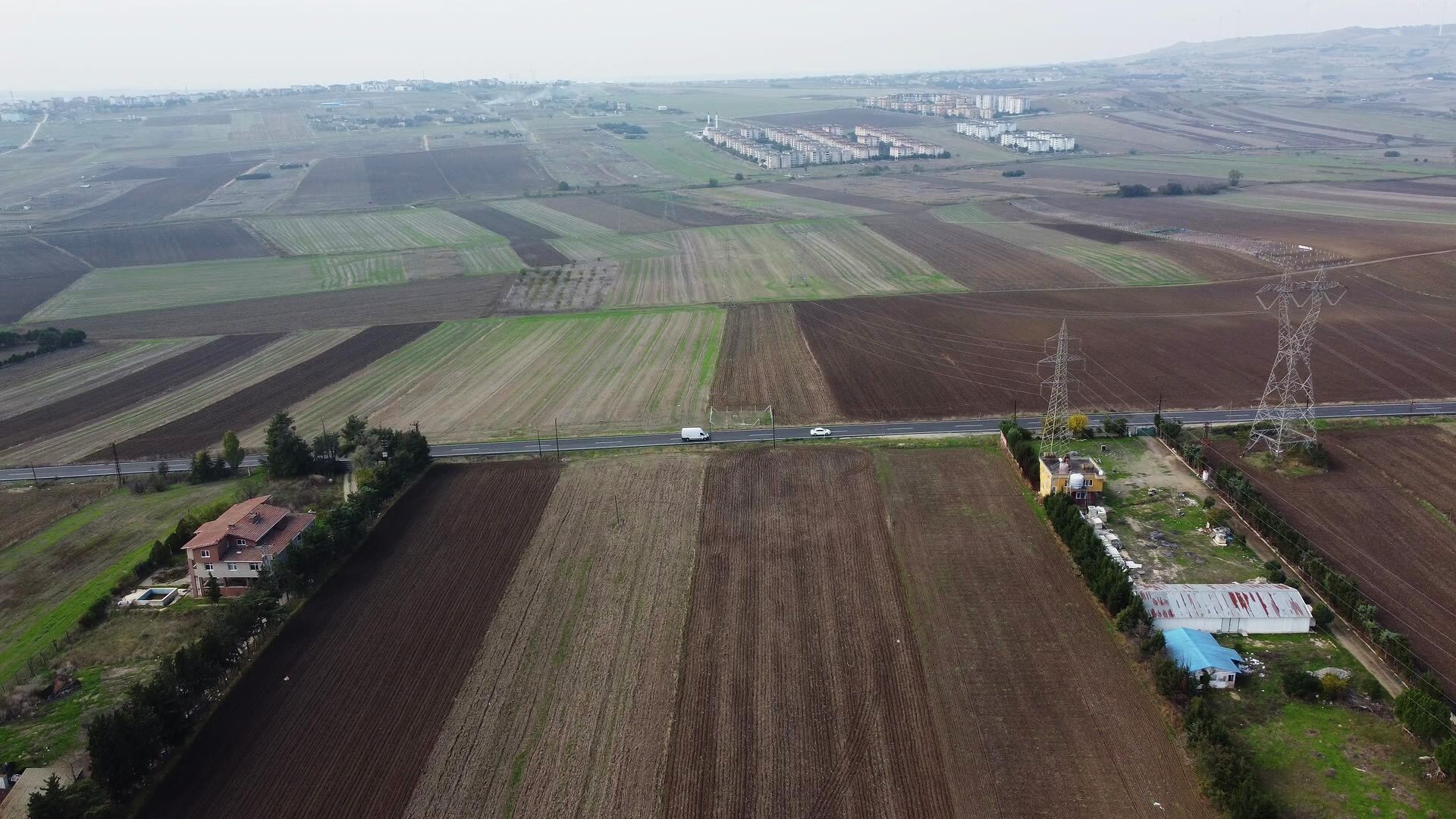
No land conversion: the Silivri node sits within existing farmland in the Marmara region.

No land conversion: the Silivri node sits within existing farmland in the Marmara region.

Do No Significant Harm

Contribution to one objective, harm to none.

Each activity is screened against all six objectives. The full technical screening documentation and minimum-safeguards assessment are sent to qualified funds on request.

Technical screening dossier

Objective-by-objective evidence, DNSH assessments, and minimum safeguards — prepared for ESG fund classification.

Request the dossier

Screening method

Contribution to one objective, harm to none.

Taxonomy alignment is not a badge — it is an activity-by-activity test. Each activity has to contribute substantially to at least one of the six environmental objectives, and it has to do no significant harm to any of the others. Both halves are assessed, and both halves are documented.

Substantial contribution

Local production for EU demand removes long-haul supply emissions; closed-loop recirculation protects water resources; and nutrient recovery, biomass reuse after extraction and recirculating growing media keep the material cycle closed.

Do no significant harm

The same activity is then tested against the remaining objectives — climate adaptation, pollution prevention, and biodiversity and ecosystems — and has to clear each of them on its own evidence.

Minimum safeguards

Beyond the environmental tests, the assessment covers the minimum safeguards a fund needs on file. The full technical screening documentation is sent to qualified funds on request.

Market watch
WhatsApp