What you hold
Route I is direct participation in facility-level or platform-level equity. Route II is a Salam contract — payment today for a defined future harvest, with species, grade, quantity and delivery date fixed at signing.
Investor Relations — Vehicles & Structuring
Institutional capital is deployed into tangible agritech assets through two parallel routes: conventional equity, and agricultural forward finance structured without interest-bearing debt.
Direct participation in facility-level or platform-level equity, with returns driven by yield distributions and asset appreciation.
Sharia-compliant agricultural forward finance: capital purchases future harvests at contract, while a parallel contract on-sells them — eliminating storage risk by design.
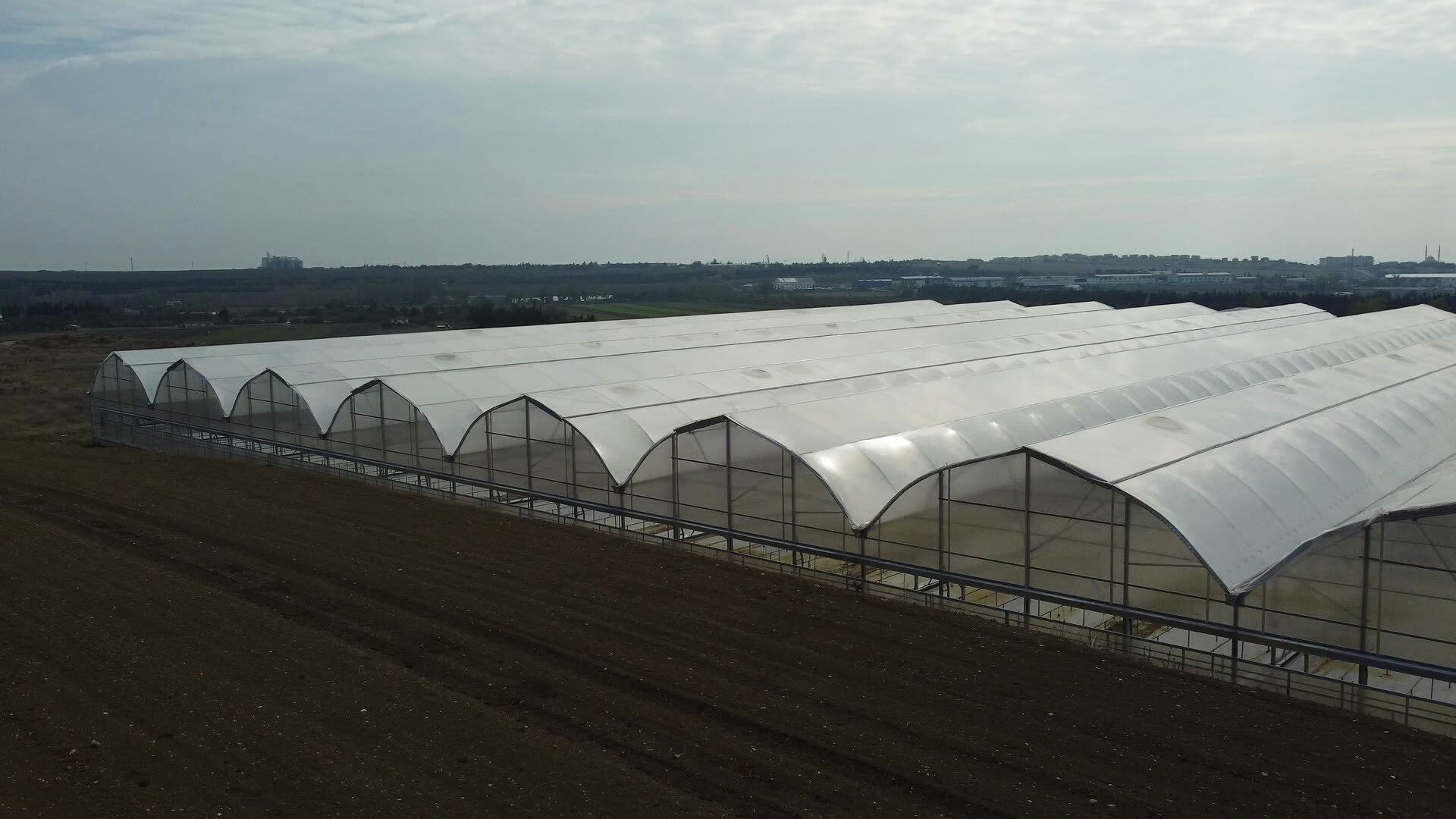
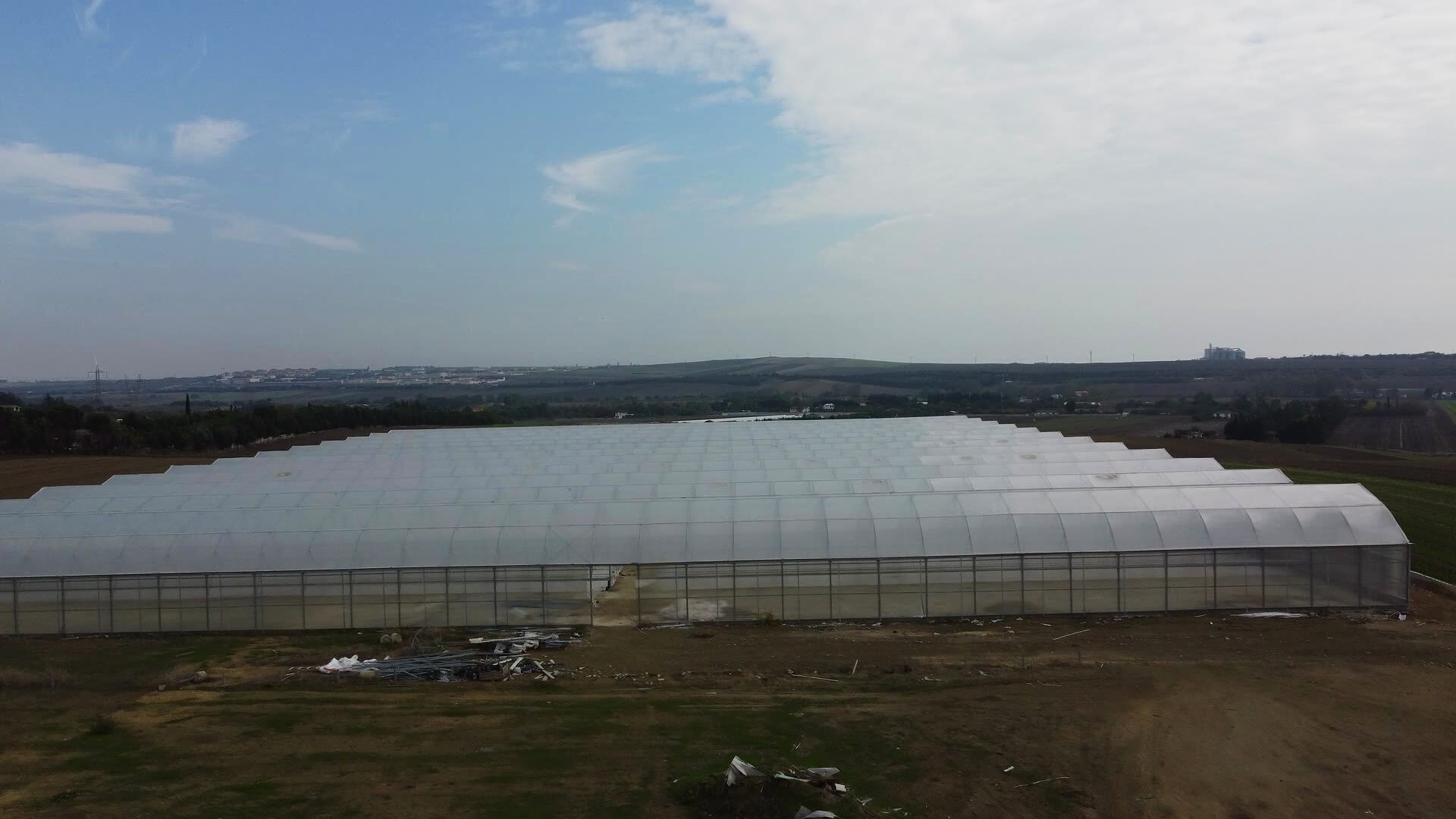
Both routes fund the same physical asset: the Tibbi Silivri greenhouse complex.
How Parallel Salam Works
The investor pays today for a defined future harvest — species, grade, quantity, and delivery date fixed.
Efarms grows the contracted crop under controlled conditions — the forward risk CEA was built to remove.
A mirrored Salam sells the same harvest forward to an off-take buyer — no inventory is ever held at risk.
Harvest delivers to the buyer; the spread between the two contracts is the investor's return.
Choosing a route
Both routes fund the same physical thing: the Tibbi Silivri greenhouse. What differs is the instrument you hold, and where the return comes from.
Route I is direct participation in facility-level or platform-level equity. Route II is a Salam contract — payment today for a defined future harvest, with species, grade, quantity and delivery date fixed at signing.
Equity returns are driven by yield distributions and asset appreciation. Salam returns are the spread between the purchase contract and the parallel contract that on-sells the same harvest.
The parallel contract means no inventory is ever held at risk. Controlled-environment production is what removes the forward risk that makes agricultural Salam difficult to write against open-field farming.
One class of partnership: every partner votes, whatever the size of the allocation. On both routes, reporting is third-party audited once there is a trading year to audit.
A free consultation with the Efarms investor desk — your questions, our numbers, and no obligation of any kind.
Talk on WhatsAppor
We use your address to reply and to send occasional project updates — nothing else. Privacy notice