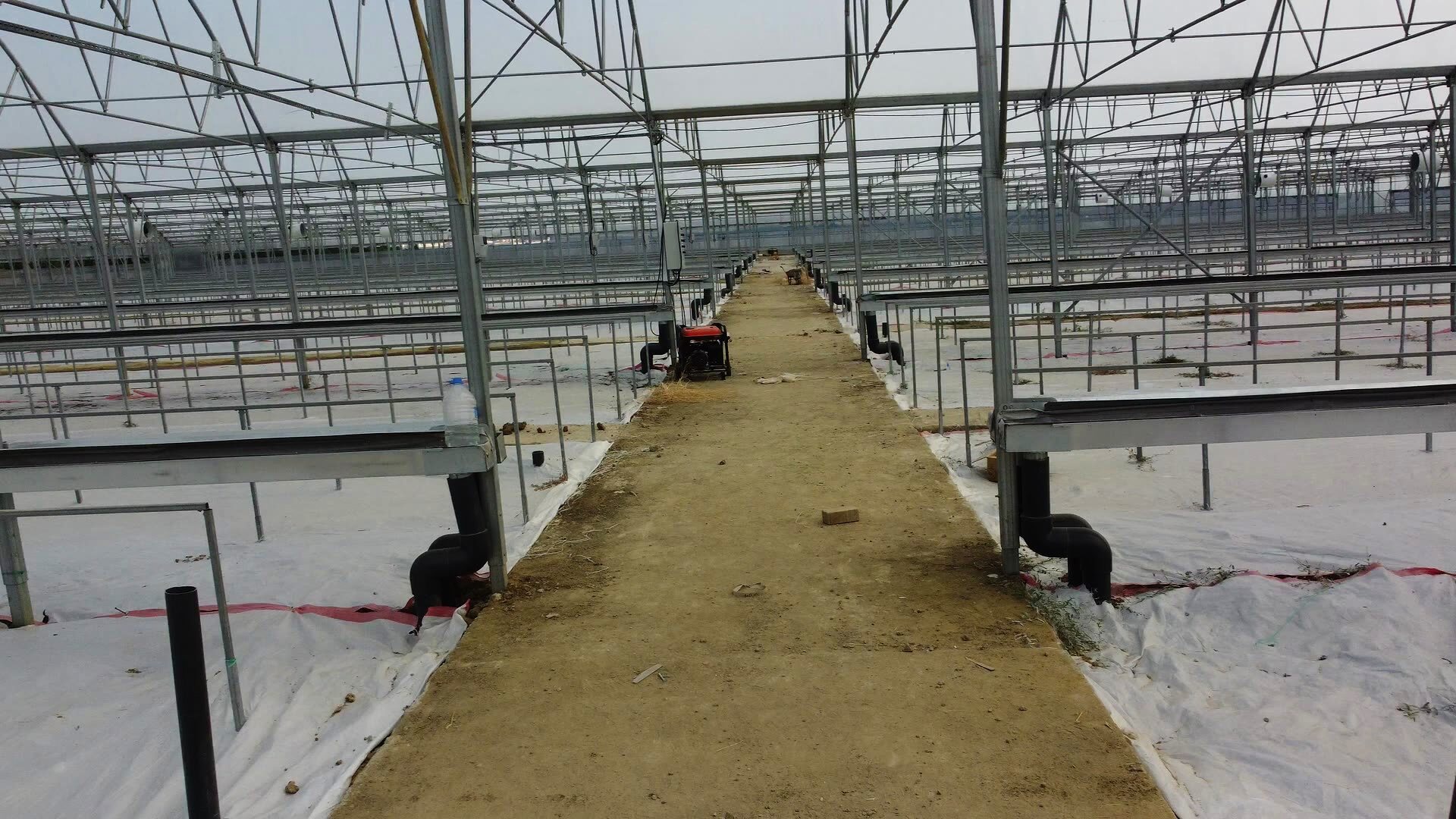
Water returns
Irrigation water is captured, filtered, re-dosed with nutrients and returned to the root zone. Losses are limited to plant uptake and controlled evaporation.
ESG & Compliance — Resource Management & Circularity
Closed-loop water, renewable energy integration, and zero agricultural runoff — measured continuously, not claimed annually.
Resource performance is designed to be read from facility telemetry rather than estimated at year end.
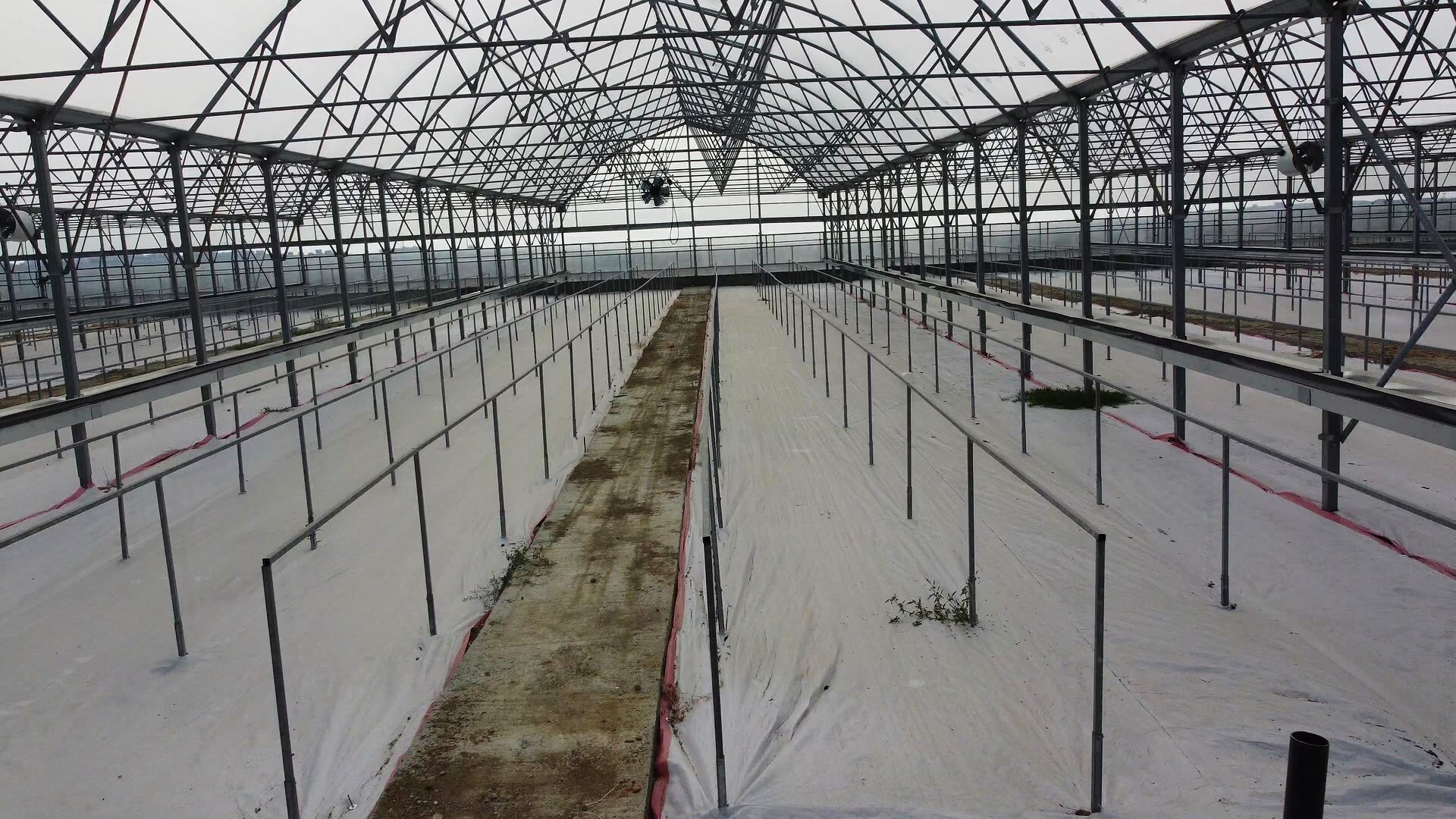
Every litre works twenty times.
Irrigation lines run the length of each bay; water is captured, filtered and returned to the root zone.
Closed-Loop Water
Irrigation water is captured, filtered, re-dosed with nutrients, and returned to the root zone. Losses are limited to plant uptake and controlled evaporation.
Renewable Integration Timeline
Circularity
Circularity here is not an offset bought at the end of the year. It is the way the lines are plumbed and the way the processing is sequenced: water returns to the root zone, the extraction step yields a second saleable product from the same biomass, and the material that would normally be thrown away is dried and sold.
Irrigation water is captured, filtered, re-dosed with nutrients and returned to the root zone. Losses are limited to plant uptake and controlled evaporation.
CO₂-integrated pre-treatment yields premium hydrosols from biomass that is already being processed for extract — a second product line that needs no additional capital.
The 5% process loss is dried at low temperature into teas, spices and cosmetic inputs instead of being composted.
Neither the hydrosol line nor the dried by-product line requires additional capital investment.
A free consultation with the Efarms investor desk — your questions, our numbers, and no obligation of any kind.
Talk on WhatsAppor
We use your address to reply and to send occasional project updates — nothing else. Privacy notice